

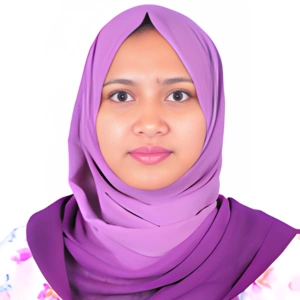
Kamila Thalapalliyil
JIPMER, Puducherry, IndiaPresentation Title:
Maternal and fetal dyslipidaemia and differential expressions of proteins of lipid metabolism are associated with fetal overgrowth in diabetes-in-pregnancy
Abstract
Background: Diabetes-in-Pregnancy (DIP) is associated with poor maternal and fetal outcomes, particularly fetal overgrowth (macrosomia). Altered systemic and placental lipid metabolism could be one of the reasons of the complications of DIP.
Objectives: Assessment of maternal & cord blood lipid profile and biochemical parameters related to placental lipid metabolism in DIP.
Methods: Maternal blood, cord blood, and placental samples were collected from women with DIP and healthy controls. Lipid profiles were measured using a clinical chemistry analyser. Placental gene expressions (PPARα, PPARγ, SCD1, FAS, LPL) were analysed, while protein expressions (LXRα, SREBP1, FAS, PPARα, PPARγ) were assessed by western blotting and IHC. Lipid droplet accumulation was visualized using Oil-Red-O staining.
Results: Observed significant dyslipidaemia in maternal and fetal circulation in DIP comparison to controls. Maternal and fetal triglyceride levels were significantly higher in DIP compared to controls. Placental proteins LXRα, FAS, and SREBP1 were upregulated, whereas PPARα and PPARγ were reduced. Maternal lipid profile correlated with fetal lipid profile and adverse perinatal outcomes.
Conclusion: Altered placental protein expressions in DIP may promote triglyceride accumulation, contributing to fetal overgrowth and associated complications.
Biography
Kamila Thalapalliyil is currently pursuing her Ph.D. in Biochemistry at the renowned Jawaharlal Institute of Postgraduate Medical Education and Research (JIPMER), Puducherry, India. She is a recipient of the prestigious CSIR-SRF/NET Fellowship, awarded in recognition of her academic excellence and research potential. Her current research focuses on iron homeostasis and related biochemical derangements in diabetes in pregnancy, aiming to uncover molecular insights with clinical relevance. Despite being in the early stages of her research career, she has already authored over five scientific publications, reflecting her dedication and passion for advancing biochemical research.

Organization Location
1309 Coffeen Avenue, STE 1200, Sheridan, Wyoming 82801, USA
Mail us at
Program Enquiry
gynaecology@scientexconferences.com
General Enquiry
contact@scientexconferences.com
Registration query
finance@scientexconferences.com
gynaecology@scientexevents.org
Our Social Presence
Call us at
USA : (+1) 510 370 1954